Project Overview
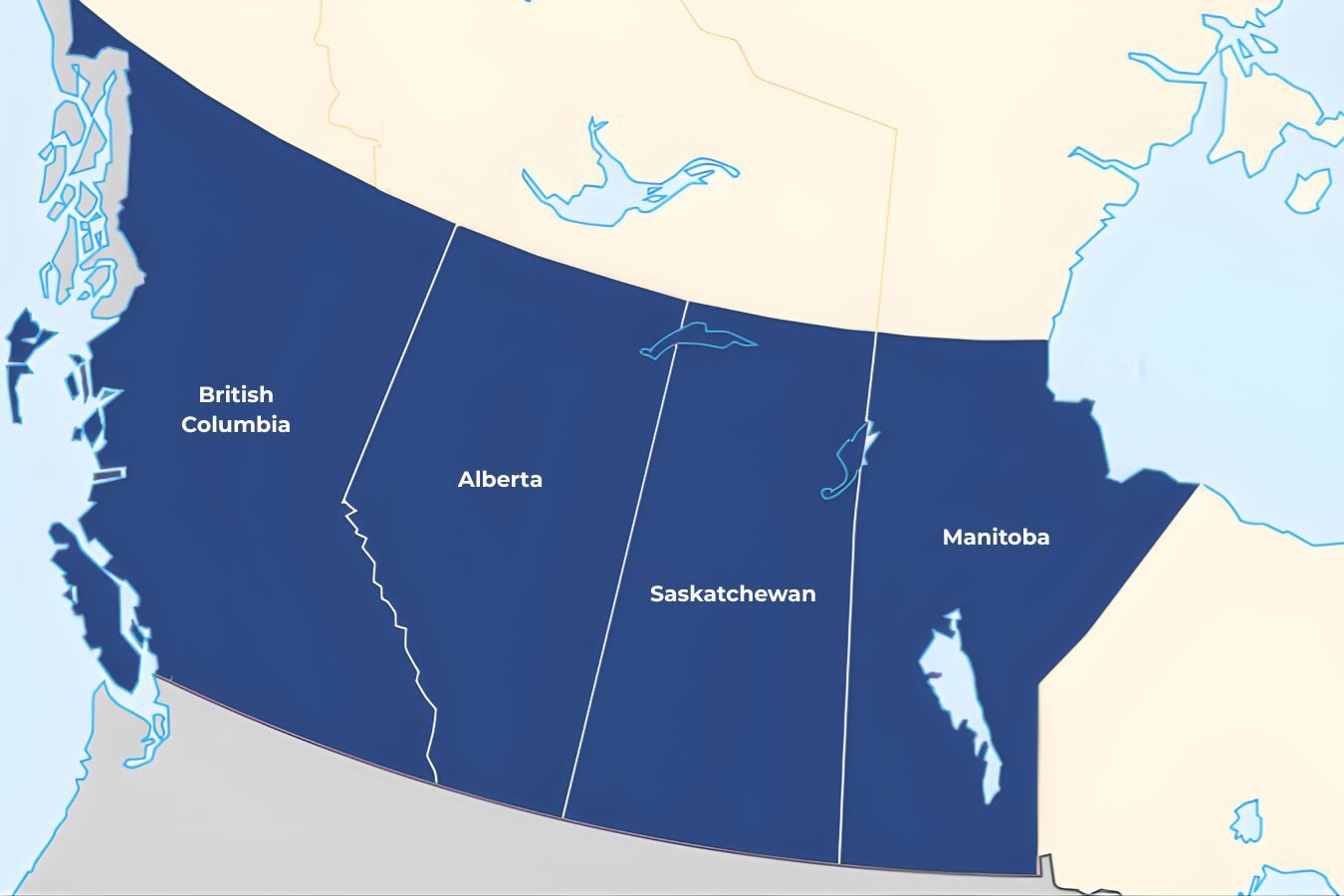
Location: Western Canada (Alberta, British Columbia, Saskatchewan, Manitoba)
Project Type: Multi-modal trade corridor (road, rail, energy, pipelines)
Proponents: Western provincial governments (notably Alberta)
Status: Listed as a conceptual major corridor under the Building Canada Act
Project Description
A proposed integrated trade and transportation corridor intended to:
- Improve east–west and north–south trade routes
- Support resource development (oil, gas, hydrogen, critical minerals)
- Enhance road, rail, and transmission cohesion
- Create options for new or expanded pipelines
The corridor is conceptual and would involve coordinated upgrades across multiple infrastructure systems.
Investment Value
Estimated Capital: Not defined; likely in the tens of billions depending on scope
Purpose: Strategic long-term infrastructure comparable to continental trade corridors
Timeline
- Current: Early concept proposal; no formal route
- Next Steps: Inter-provincial planning, feasibility studies, engagement with Indigenous nations
- Construction: Could be phased over decades
Indigenous Partnership
Context:
The corridor spans dozens of Indigenous territories across four provinces.
Engagement Expectations:
- High level of consultation responsibility
- Opportunities for Indigenous ownership (Alberta and Saskatchewan precedents)
- Emphasis on multi-nation governance frameworks
Regulatory Status
- Not yet in environmental review
- Could eventually require multiple federal and provincial assessments
- Pipeline components (if included) would trigger additional federal oversight
Technical Specifications
Infrastructure Components (conceptual):
- Road twinning and freight upgrades
- High-capacity rail links
- Energy transmission lines
- Potential new pipeline routes
- Border and port-of-entry enhancements
Strategic Value:
- Enhances continental competitiveness
- Creates resilience against U.S. trade disruptions
- Supports northern and rural development corridors
Key Risks
High Risks:
- Vast geographic scope
- Multi-province political coordination
- Indigenous rights and title considerations
- Very high capital requirements
Lower Risks:
-
Strong political alignment in Prairie provinces
-
Clear economic rationale tied to critical minerals, agriculture, and energy
Investment Opportunities
-
Large-scale corridor financing
-
Joint ventures with provinces and Indigenous nation capital groups
-
Supply chain, logistics, and freight hubs
-
Employment Impact
Construction: Potentially tens of thousands of jobs over decades
Operations: Long-term logistical and industrial employment growth
Economic Impact: Major national productivity gains