CASE STUDY: Trans Mountain Oil Pipeline

The expansion of the Trans Mountain Pipeline ensures that Canada will fully capitalise on its oil resources. The enhanced system is projected to increase its nominal capacity of 300,000 barrels per day to 890,000 barrels per day. Since the original Trans Mountain Pipeline was built in 1953 and has operated safely up to the present, this extension will provide additional infrastructure to maximise the value of Canada's oil. The expanded capacity will not only boost economic returns but also enhance the efficiency and reliability of the country's oil transportation network.
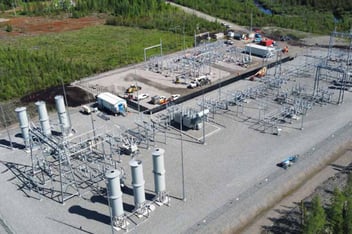
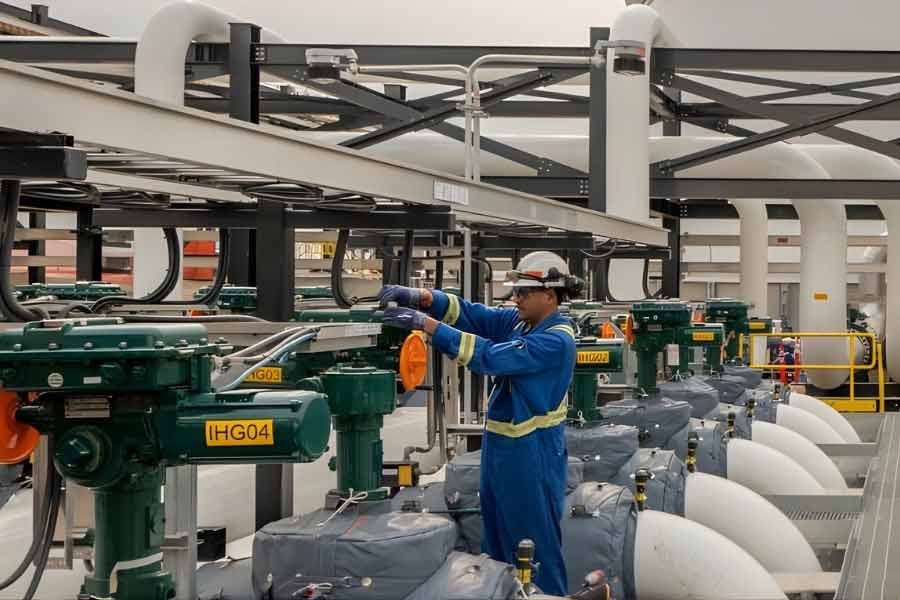
This project involves the construction of approximately 980 kilometres of new pipeline and the reactivation of 193 kilometres of existing pipeline. Key developments include the addition of 12 new pump stations and the installation of 10 new storage tanks. These upgrades will greatly improve the efficiency and reliability of the pipeline.
Challenges
Commencing this project necessitates comprehensive engagement with Indigenous communities, landowners, and stakeholders. This engagement process, which began in 2012, will continue indefinitely, even after the project's completion, ensuring ongoing collaboration and communication.
Given the project's reliance on natural resources, robust environmental protection plans have been established to safeguard ecosystems and comply with rigorous environmental assessment and protection standards. Detailed information about these plans can be found on the Trans Mountain Environmental Protection page. This commitment to environmental stewardship and continuous stakeholder engagement underscores the project's dedication to sustainable and responsible development
Impact
The Trans Mountain Expansion Project will generate significant economic benefits during its construction phase, creating numerous jobs and stimulating local economies. Oil producers will gain increased revenue from enhanced capacity and access to new markets, while the government will collect additional tax revenue from the expanded oil operations. These combined revenues will ultimately benefit all Canadians, supporting public services and contributing to the nation's overall economic prosperity.